Installing Directory Server On Centos Iso
Configure VNC Server on Cent. OS 7 RHEL 7. The following simple guide helps you to setup the VNC server on RHEL 7Cent. OS 7 machines, VNC help to share the desktop with the other machines which have a client installed. VNC server and client are not installed by default, you need to setup the vnc server manually. Before installing the VNC server, let us install Gnome desktop. GNOME Desktop Graphical Administration Toolsrootserver yum groupinstall GNOME Desktop Graphical Administration ToolsInstall the tigervnc server and X1. Type. 1rootserver yum install tigervnc server xorg x. Type. 1Copy the VNC server configuration file to etcsystemdsystem for configuring the system service. While copying, you can mention which port it should listen. By default VNC server listens on 5. VNC we can run a service on a sub port of the default port 5. For example, if we mention port 5, it will be accessible on 5. You can connect the VNC server by specifying ipaddress sub port 1. Edit the copied file. At the end of the file, you will find the lines like below. Unit. Section A Installing KVM on Centos 7 x64 Minimal Checking for Virtualization Support. Just to be clear, well need to check for virtualization support that it is. Burn or mount the CentOS 7 64bit ISO and boot it up. Burn the iso to a DVD or mount it if your server is a virtual machine. Then boot up the system and you should be. HI, On CentOS 7, I downloaded MSMlinuxx64installer16. DownloadsMSMdisk folder. According to. 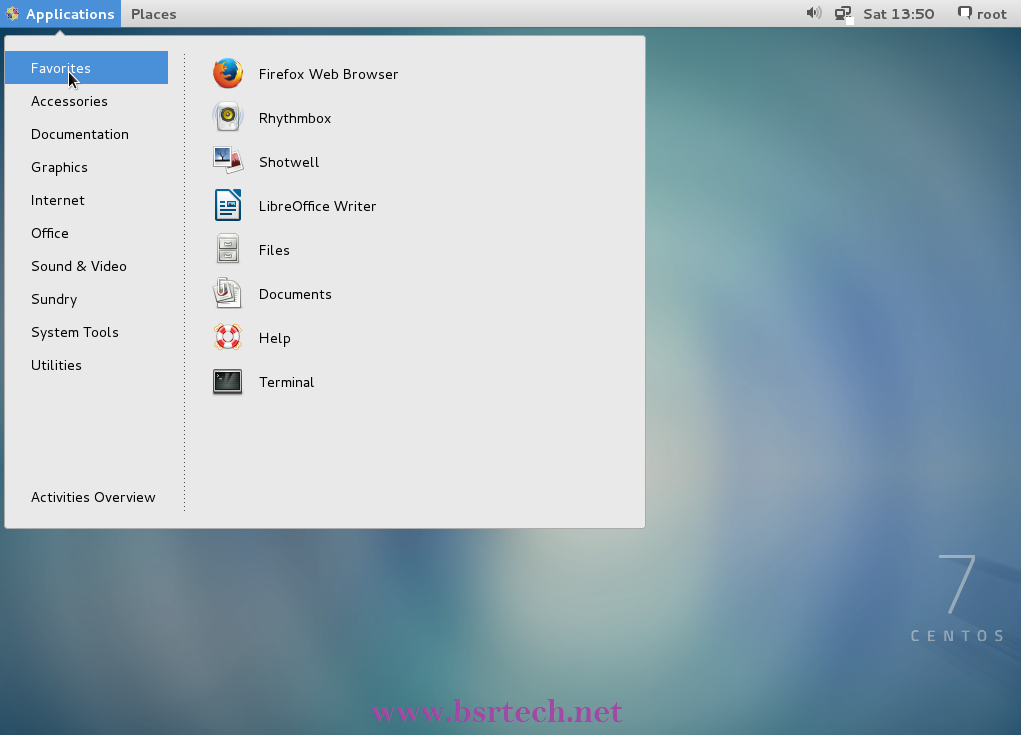 DescriptionRemote desktop service VNC. Aftersyslog. target network. Clean any existing files in tmp. X1. 1 unix environment. Exec. Start. Prebinsh c usrbinvncserver kill i devnull 2 1. Exec. Startsbinrunuser l lt USER c usrbinvncserver i. That means you have installed your centos virtual machine from cloudera which is centos5 and you have downloaded rpm package for centos6 so all you have to do is to. The script will download the CentOS iso and create and configure a VM. Then it will set the Isolation settings inline with the ADVM VM. Finally it imports a function. This post will guide you a stepbystep installation of Community ENTerprise Operating System CentOS 6. Learn how to install and activate HyperV Integration Services for Linux to help improve the performance of HyperV VMs running on Linux distributions. Ham Radio Software on Centos Linux Configuring multitudes of Amateur HAM Radio software for Centos6 Centos5 Linux. We have already seen how to install different Linux OS through CDROMs. Below are the Linux os installations already covered so far. How to install Fedora Linux 17PIDFilehomelt USER. Hi. pid. Exec. Stopbinsh c usrbinvncserver kill i devnull 2 1. Wanted. Bymulti user. Replace lt USER with your real user, in my case, i replaced with a user called raj. Unit. DescriptionRemote desktop service VNC. Aftersyslog. target network. Clean any existing files in tmp. X1. 1 unix environment. Exec. Start. Prebinsh c usrbinvncserver kill i devnull 2 1. Exec. Startsbinrunuser l raj c usrbinvncserver i. PIDFilehomeraj. Hi. Exec. Stopbinsh c usrbinvncserver kill i devnull 2 1. Wanted. Bymulti user. Add firewall rules to allow the VNC connection, the following rule is set as per the port offset mentioned in the previous step. Start VNC server after switching to raj. Set the password. You will require a password to access your desktops. Xauthority does not exist. New localhost. localdomain 1 raj desktop is server. Creating default startup script homeraj. Starting applications specified in homeraj. Log file is homeraj. Reload the systemctl daemon as rootsystemctl daemon reload. Start the VNC service as root. Off The Wall 1979 Rar more. Enable it on system startup as root. Take remote desktop. You will be asked to enter the password, enter the password that you have created earlier. Now you will get the vnc desktop session. Create Local YUM repository on Cent. OS 7 RHEL 7 using DVDYUM is the package management tool that helps you to install or update the package through the network or local, at the same time it provides an easy method to install a package with its dependent packages. Configuration files can be found under etc directory and etcyum. To add a new or update an existing repository, you must go to the etcrepos. Repository sources can be created either using the createrepo package or mounting the DVD on the directory. Mounting the DVDCD ROM will lead to saving the space on HDD used by being copied to HDD. Local YUM with DVDCreate Source. Mount the CDDVD ROM on any directory of your wish. For testing, mount it on cdrom. Create Repo file. Before creating a repo file, move the existing repo files present in etcyum. Create the new repo file called cdrom. Add the following details. Local. Repo. nameLocal. Repository. baseurlfile cdrom. RPM GPG KEY Cent. OS 7. Where,Local. Repo Name of the Section. Name of the repositorybaseurl Location of the package. Enabled Enable repositorygpgcheck Enable secure installationgpgkey Location of the keygpgcheck is optional If you set gpgcheck0, there is no need to mention gpgkeyInstall Package from Local DVD YUM repository. Clear the repository cache by issuing the following command. Lets install the vsftpd package from the local repository. The output will be like below it will try to cache the package information. When you give yes to download the package, it will prompt you to accept gpg signing key. Loaded plugins fastestmirror. Local. Repo 3. B 0. 0 0. 0. Local. Repogroupgz 1. B 0. 0 0. 0. 22 Local. Repoprimarydb 2. MB 0. 0 0. 0. Determining fastest mirrors. Resolving Dependencies. Running transaction check. Package vsftpd. x. Finished Dependency Resolution. Dependencies Resolved. Package Arch Version Repository Size. Local. Repo 1. Transaction Summary. Install 1 Package. Total download size 1. Installed size 3. Is this ok ydN y. Downloading packages. Packagesvsftpd 3. Header V3 RSASHA2. Signature, key ID f. NOKEY. Public key for vsftpd 3. Retrieving key from file etcpkirpm gpgRPM GPG KEY Cent. OS 7. Importing GPG key 0x. F4. A8. 0EB5. Userid Cent. OS 7 Key Cent. OS 7 Official Signing Key lt securitycentos. Fingerprint 6. 34. Package centos release 7 0. From etcpkirpm gpgRPM GPG KEY Cent. OS 7. Is this ok yN y. Running transaction check. Running transaction test. Transaction test succeeded. Running transaction. Zelda Psp Game. Installing vsftpd 3. Verifying vsftpd 3. Complete You have successfully configured the local repository on the machine, but it is limited to a single machine where the CD or DVD is mounted. Local YUM with FTP or HTTPIf you have quite number machines and all of them connected over intranet, then this is the best option for you. Host RPM Packages. Normally YUM server uses FTP or Apache as the medium to transfer packages. So, install either FTP or Apache on your yum server. You can use either FTP or Apache, not both. Mount the DVD on cdrom. Copy packages from DVDROM to varftp or varwwwhtml receptively for FTP and Apache. FTPCopy the packages from the DVD ROM to FTP folder. Packages varftp. Apache. Copy packages from the DVD ROM to Apache home directory. PackagesvarwwwhtmlEdit Apache configuration file to enable the indexes. From. Options Indexes Follow. Sym. Links. To. Options All Indexes Follow. Sym. Links. Remove the welcome page. Restart service. FTP. Firewall. You need to allow FTP and HTTP port on the firewall so that client machines can able to get packages from YUM server. For HTTP. For FTP. SELinux. Consider disabling SELinux on Cent. OS RHEL. Verify Services. Verify the accessibility using the web browser by visiting respective service. FTP ftp ip address. Apache http ip address. Creating Repository. After hosting the packages, we need to create the repository of packages that we have copied from the disc. XML based rpm meta structure repository, like an index file that points to rpm files. Packages. rpm ivh createrepo l. FTPcreaterepo varftp. Apachecreaterepo varwwwhtml. Create Repo File. Once created the repository, just go on to the client machine and add the repository file under the etcyum. Before creating a repo file, move the existing repo files present in etcyum. Create remote. repo file. Create a repo entry like below, depends on the protocol you are using. Change ipadress to your server ip address. FTPremote. baseurlftp 1. Apacheremote. nameRHEL Apache. Install Package from Local YUM repository. Now you can install packages using the yum command.